
-
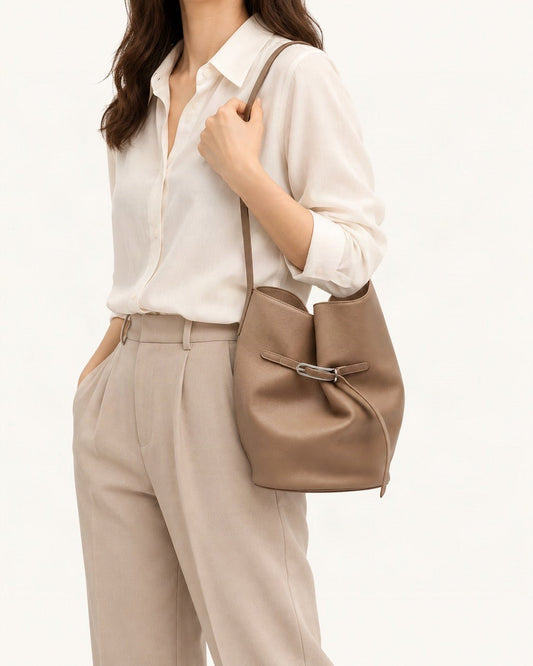
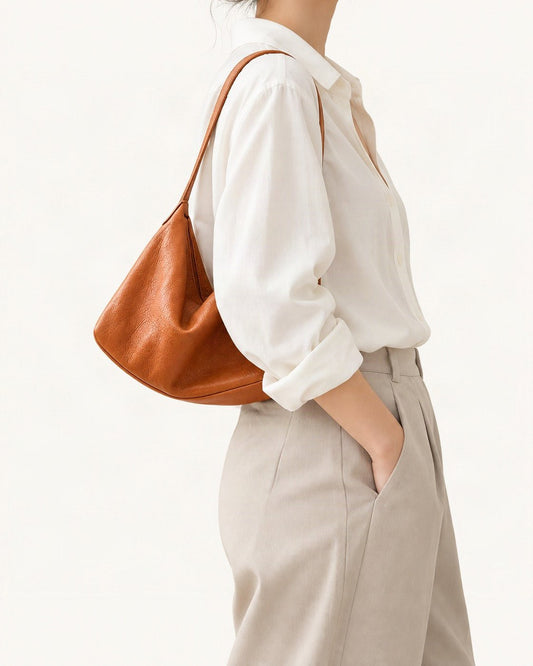
Top-Grain Cowhide Small Shoulder Tote Bag
Regular price $249.00 USDRegular price -
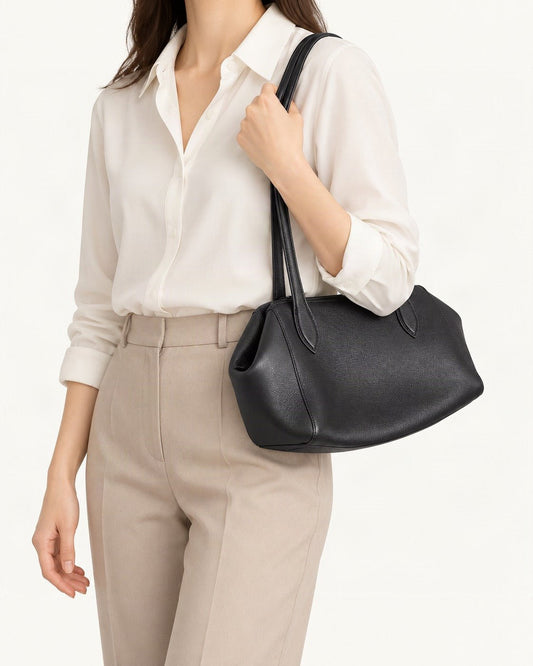
Top-Grain Cowhide Small Plus Zip Shoulder Tote Bag
Regular price $199.00 USDRegular price- Black
- Coffee
- Goose Yellow
- Peacock Blue
- Black Crocodile-Embossed
- 1 more colors
-
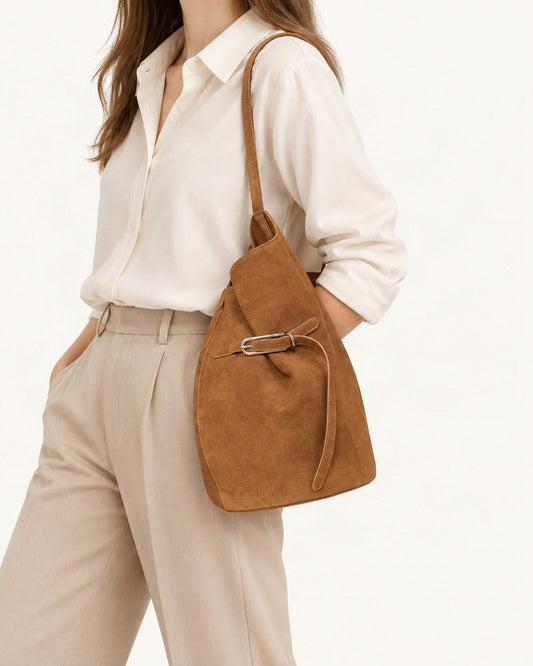
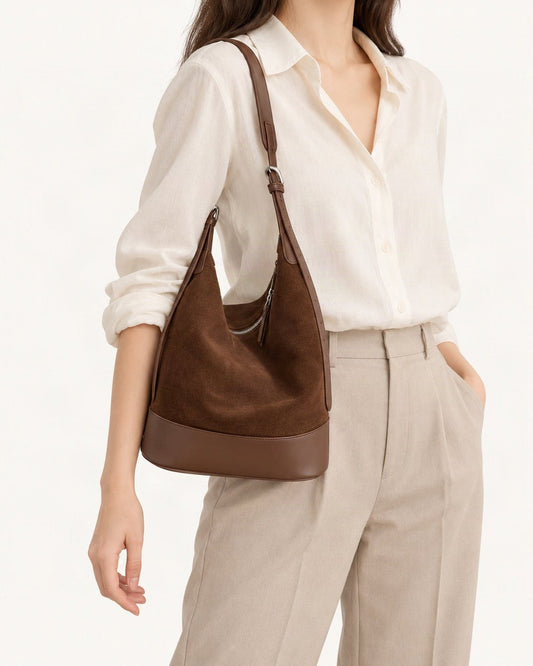
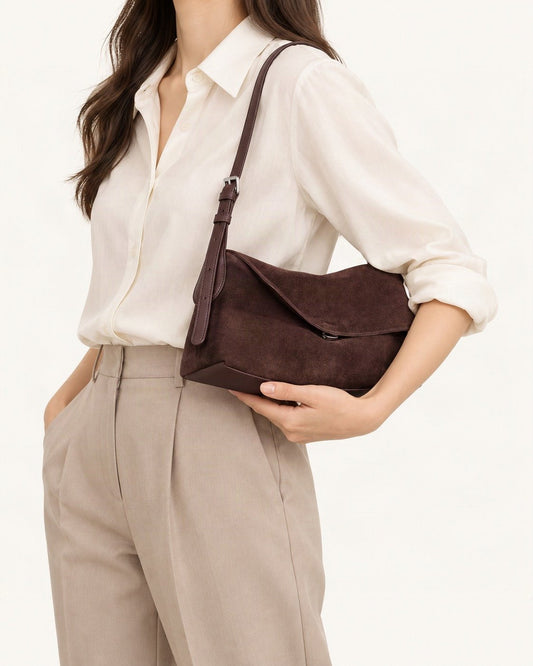
Suede Cowhide Belted Bucket Tote Bag
Regular price $249.00 USDRegular price- Caramel
- Coffee
- Olive Green
-
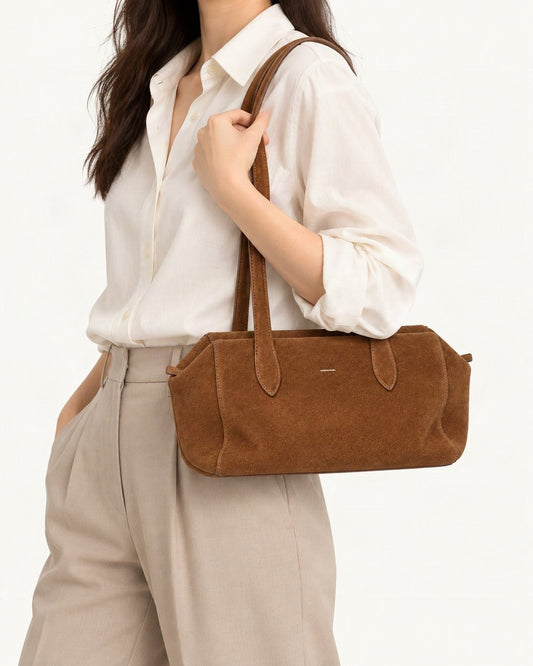
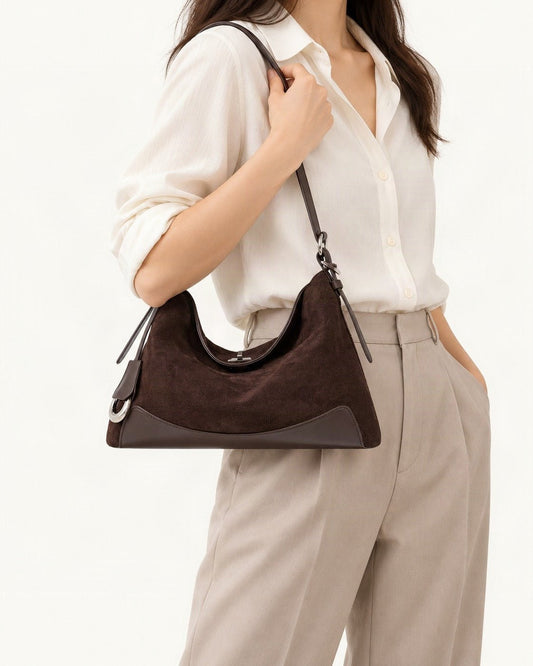
Suede Cowhide Small Plus Shoulder Tote Bag
Regular price $199.00 USDRegular price -
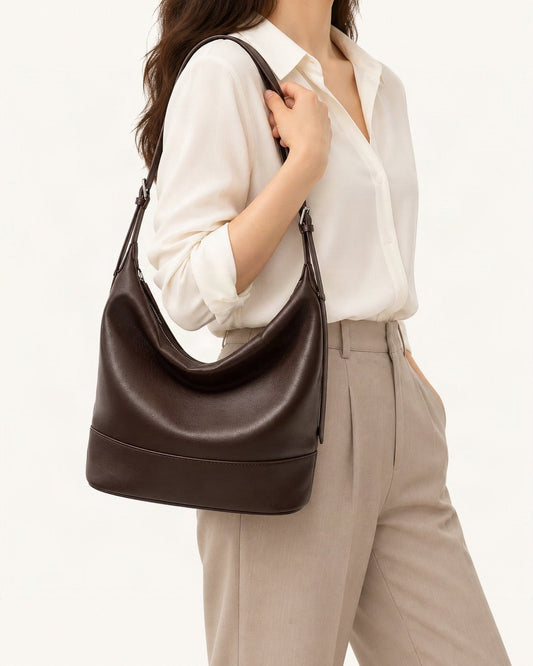
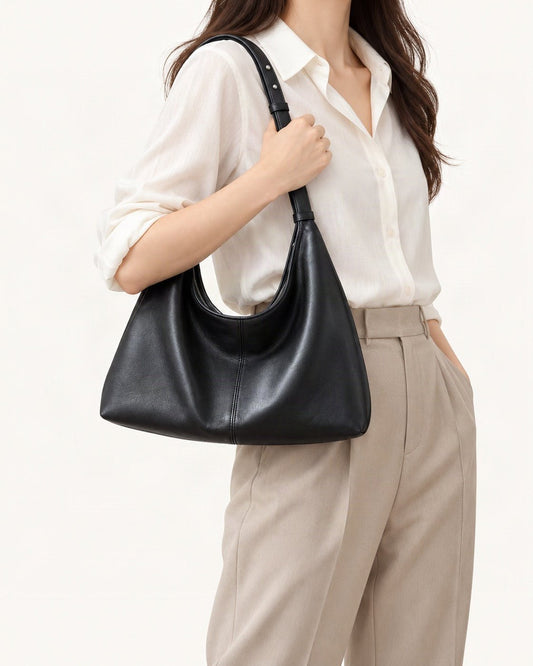
Top-Grain Cowhide Shoulder Hobo Bag
Regular price $129.00 USDRegular price- Brown
- Pale Taupe
- Black
- Caramel
-
Top-Grain Nubuck Cowhide Shoulder Tote
Regular price $249.00 USDRegular price- Khaki
- Green
- Coffee
-
Lambskin Small Shoulder Bucket Bag
Regular price $189.00 USDRegular price -
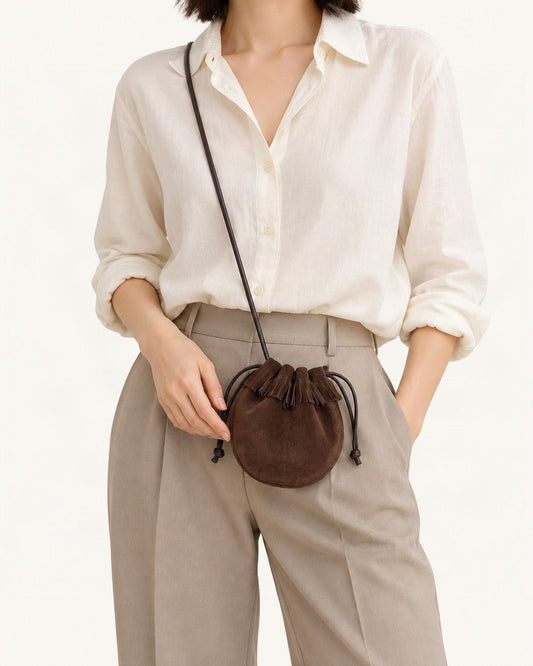
Suede Leather Small Shoulder Bucket Bag
Regular price $189.00 USDRegular price- Coffee
- Khaki
-
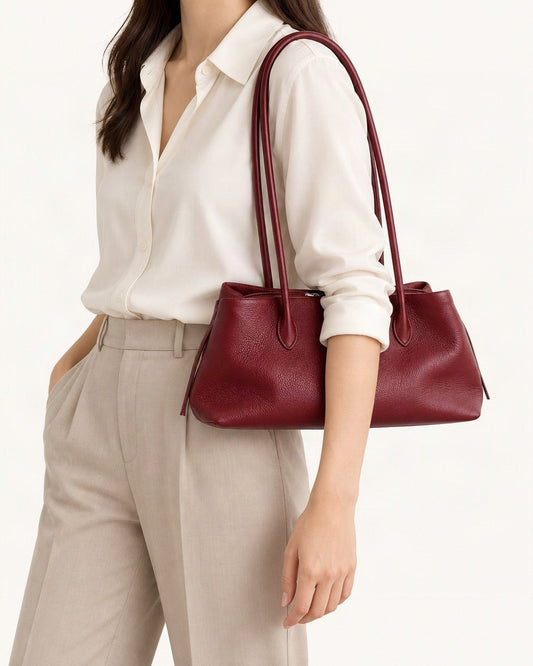
Top-Grain Cowhide Shoulder Tote
Regular price $249.00 USDRegular price- Burgundy
- Coffee
- Black
-
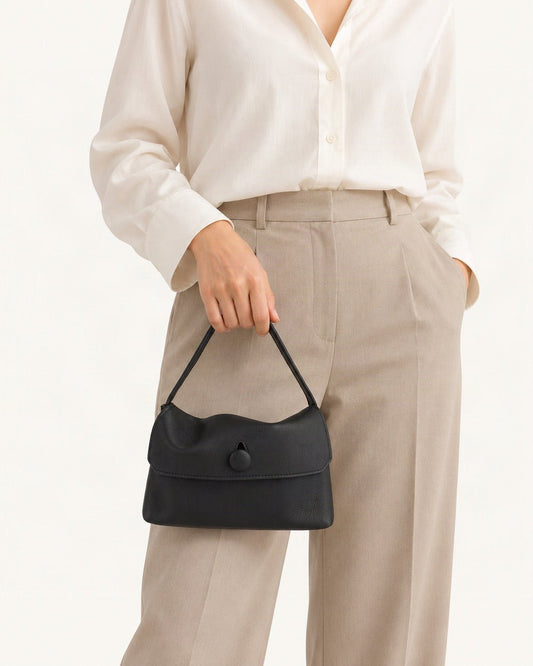
Lambskin Mini Shoulder Bag with Button Flap
Regular price $169.00 USDRegular price- Coffee
- Black
-
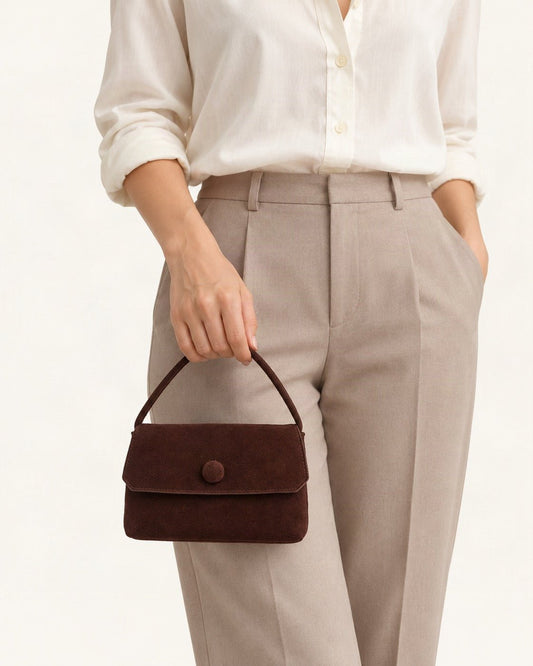
Suede Lambskin Mini Shoulder Bag with Button Flap
Regular price $169.00 USDRegular price -
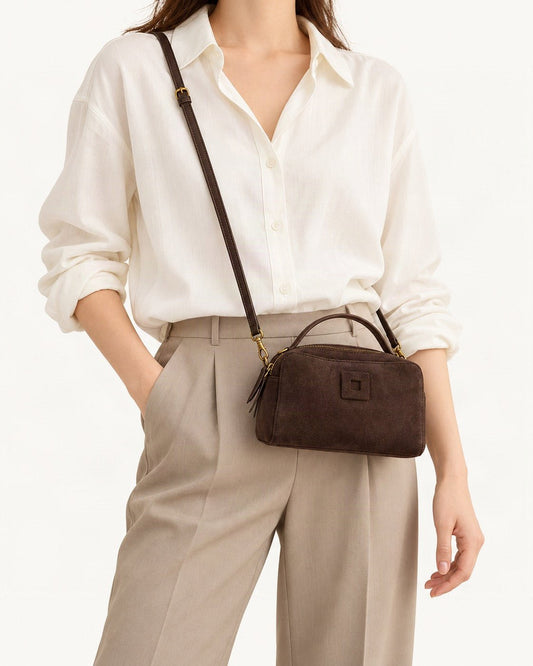
Nubuck Cowhide Small Crossbody Bag
Regular price $189.00 USDRegular price- Coffee
- Black
- Green
-
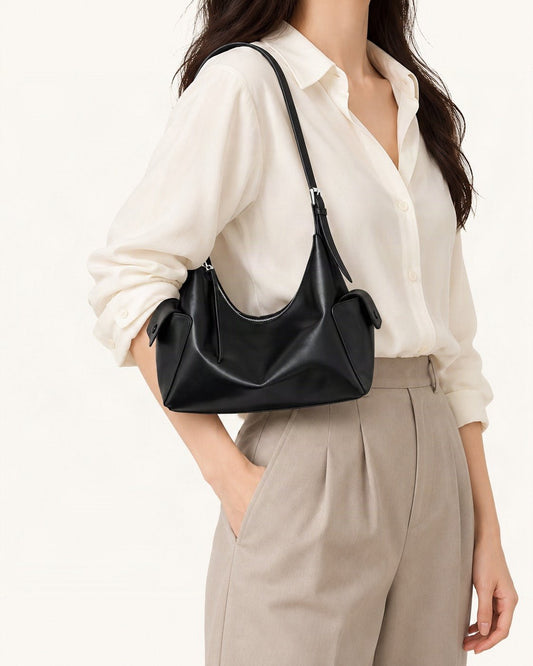
Lambskin Small Hobo Tote Bag
Regular price $249.00 USDRegular price- Black
- Ebony Brown
-
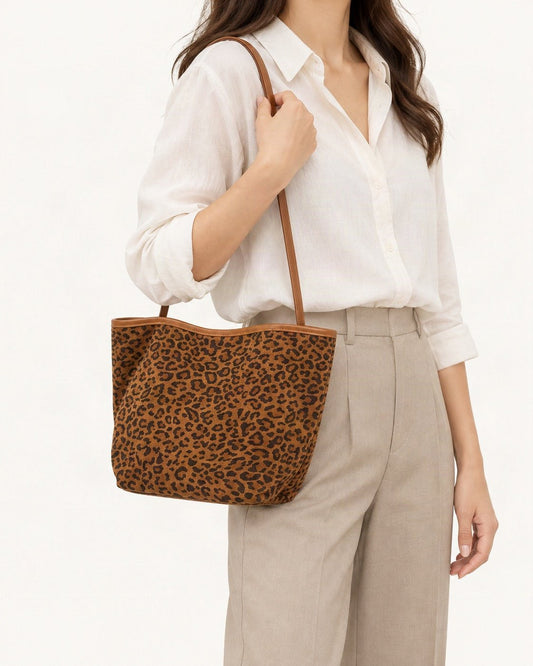
Suede Bucket Tote Bag
Regular price $169.00 USDRegular price- Leopard Print Suede
- Caramel Suede
- Coffee Suede
-
Leather Small Woven Bucket Bag
Regular price $149.00 USDRegular price- Gold
- Brown
- Black
- White
- Dark Green
- 2 more colors
-
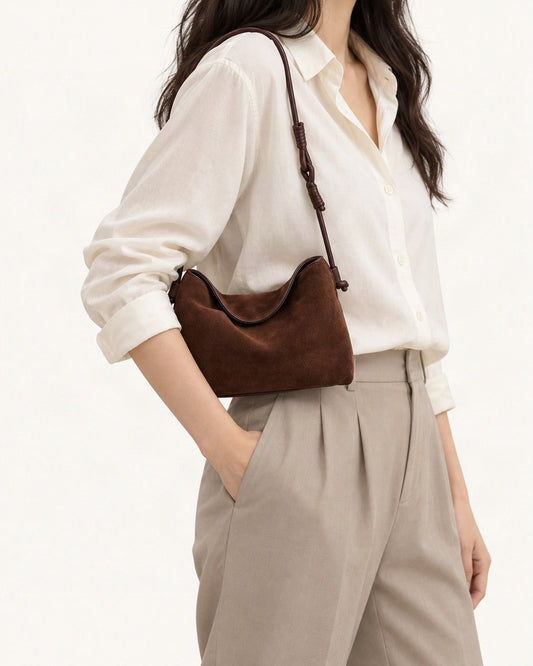
Suede Cowhide Micro Bucket Bag
Regular price $159.00 USDRegular price- Coffee
- Caramel
-
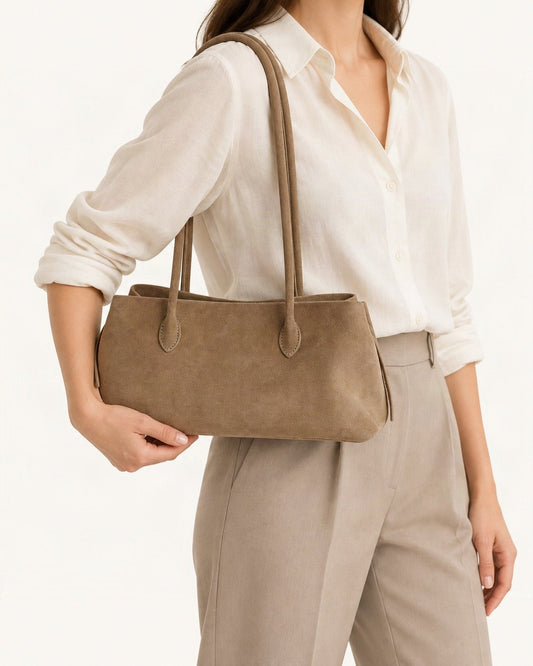
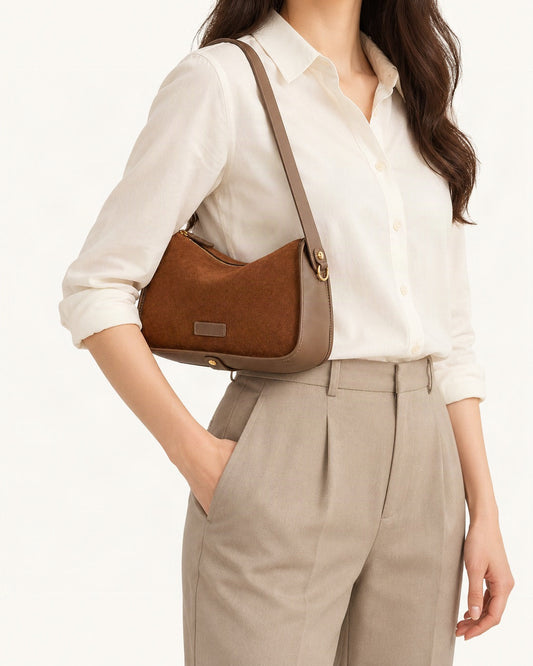
Split Suede Shoulder Tote Bag
Regular price $219.00 USDRegular price -
Suede Cowhide Small Crossbody Bag
Regular price $159.00 USDRegular price- Coffee
- Maillard Brown
-
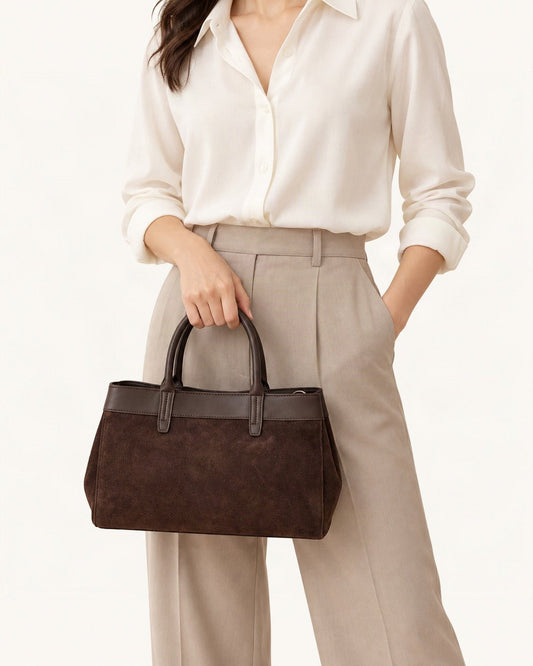
Suede Cowhide Top-Handle Shoulder Bag
Regular price $209.00 USDRegular price- Caramel Brown Nubuck
- Coffee Nubuck
- Angola Red Nubuck
- Black Nubuck
-
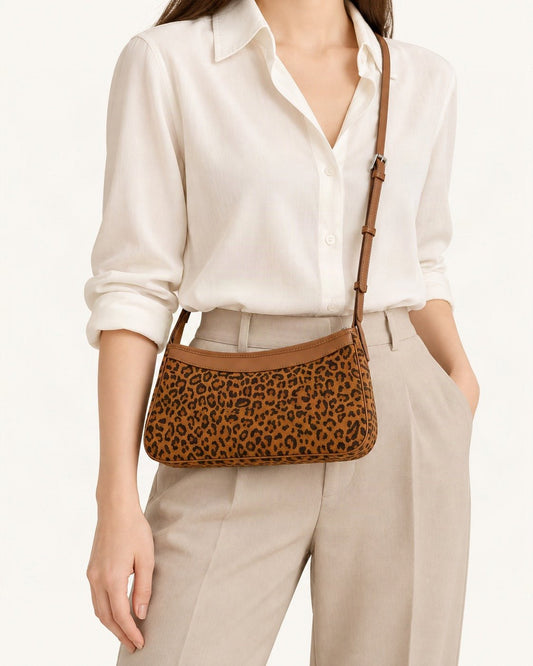
Suede and Cowhide Small Crossbody Bag
Regular price $179.00 USDRegular price- Caramel
- Coffee
- Leopard Print
-
Suede Cowhide Shoulder Crossbody Bag
Regular price $179.00 USDRegular price- Coffee
- Brown
- Beige
- Green
-
Suede Leather Small Plus Shoulder Bag
Regular price $219.00 USDRegular price- Brown
- Caramel
- Khaki Green
-
Top-Grain Cowhide Small Plus Shoulder Bag
Regular price $169.00 USDRegular price- Black
- Beige
- Chocolate
- Brown
- Gray
-
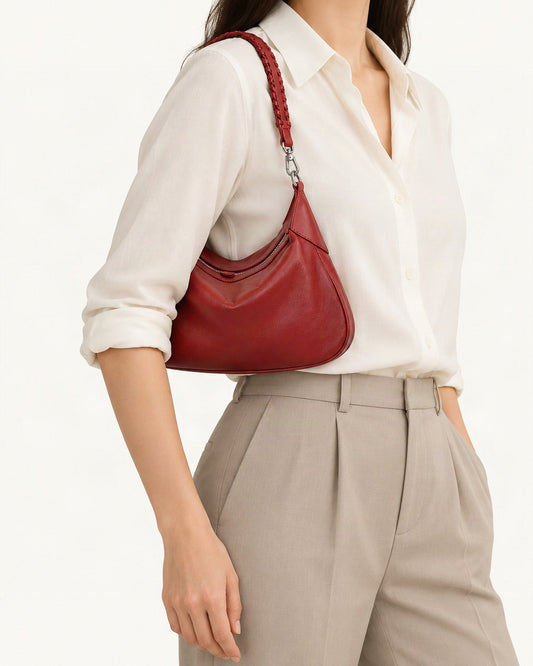
Top-Grain Cowhide Hobo Shoulder Bag with Braided Strap
Regular price $149.00 USDRegular price- Red
- Green

























Questions
What is the difference between cowhide and lambskin?
Cowhide is thicker, tougher and holds its shape. Lambskin is thinner, softer and lighter, with a finer grain. Cowhide wears better; lambskin feels better.
Why do some products not state a leather grade?
Because we can only state a grade when the supply chain can evidence it. Where it cannot, we name the leather but leave the grade off rather than guessing.
Is cowhide real leather?
Yes. Cowhide is leather made from cattle hide and is the most widely used leather in bags. Where the supplier can evidence it, the product page also states the grade, such as top-grain.
How should I store a leather bag?
Stuffed lightly to hold its shape, in a dust bag, out of direct sunlight. Do not hang a leather bag by its strap for long periods — it stretches the strap.